
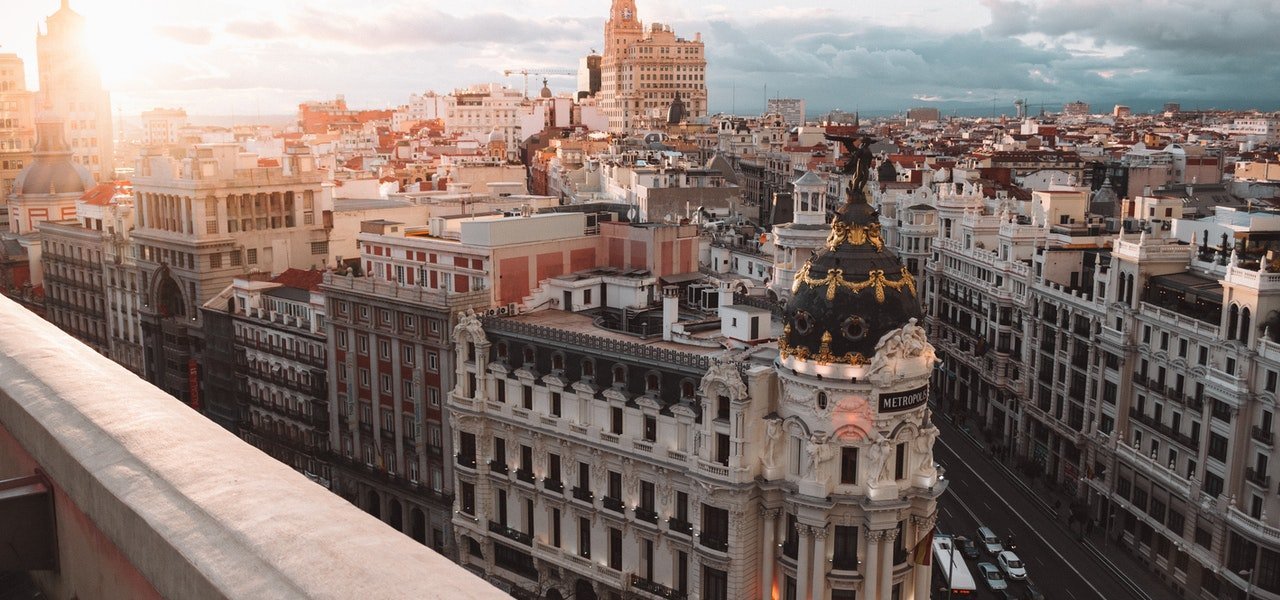
Beginner’s Guide to Natural Light Photography.
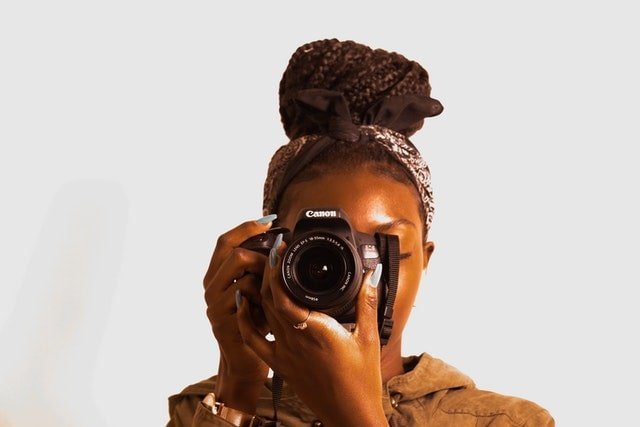
Each of these parameters may be tweaked to get the ideal exposure or the perfect balance of light and dark in your photos. If you don’t feel comfortable modifying these settings on your own, you may always use your camera’s automatic or program settings. When taking a shot, shutter speed refers to how long the shutter on your camera remains open.
Natural Light Photography Fundamentals
To capture beautiful photographs in natural light, you don’t need to attend a full photography school, but there are a few camera settings you should be familiar with before getting started:
Aperture refers to the size of the aperture in your camera lens that allows various quantities of light to pass through. F-stops are used to measure the aperture. The smaller the hole and the less light that enters the camera, the greater the f-stop. With a higher f-stop, more of the image will be in focus (think Ansel Adams). A lower f-stop implies less of your image will be in focus, allowing you to focus more on your product.
Fast shutter rates can effectively “freeze” action in a single frame, resulting in no blur. Slow shutter rates have the reverse effect, resulting in photographs that are purposely (and aesthetically) blurred. Depending on the effect you want, shutter speeds can be as fast as 1/100th of a second or as slow as a couple of seconds.


0 Comments